- info@whitestoneinternationalcollege.org.uk
- +44 20 3727 6493
- Mon - Fri : 08.00-17.00
Whitestone International College of Innovation delivers quality-assured, standards-aligned programmes that integrate academic rigour, industry relevance, and digital fluency to develop principled leaders who deliver measurable impact.
- London, United kingdom
- +44 20 3727 6493
-
Info@whitestoneinternational
college.org.uk
 United States
 United Arab Emirates
 India
India
Courses
Advanced Professional Certificate in Food Microbiology, Contamination Control & Environmental Hygiene
The Advanced Professional Certificate in Food Microbiology, Contamination Control &
Environmental Hygiene develops applied microbiology competence for supervisors, QA staff and
managers working across catering, food manufacturing, processing and retail.
Course Overview
The Advanced Professional Certificate in Food Microbiology, Contamination Control &
Environmental Hygiene develops applied microbiology competence for supervisors, QA staff and
managers working across catering, food manufacturing, processing and retail.
The programme links food microbiology theory with practical contamination control and
environmental hygiene, focusing on how micro-organisms survive, grow and spread in real
operations—and how to prevent them from compromising food safety and shelf life.
Participants learn to interpret microbiological risks, indicators and test results, understand how
cleaning, disinfection, zoning, hygienic design and environmental monitoring work together, and to
support robust programmes that withstand regulatory inspections and third-party audits.
Why This Course is Important?
- Microbiology drives real risk: Most serious foodborne outbreaks and spoilage issues are microbiological in nature. Understanding how microbes behave is essential to control them.
- Environmental control is critical: Poorly controlled drains, condensate, equipment niches and air handling can undermine HACCP and FSMS—even when paperwork looks perfect.
- Auditors expect informed staff: Customers and certification bodies increasingly expect key staff to understand microbiological principles, indicators and environmental monitoring at a practical level.
- Improves shelf life and waste reduction: Effective contamination control and hygiene improve product quality, stability and yield.
Learning Outcomes
By the end of this programme, participants will be able to:
- Explain key concepts in food microbiology, including types of micro-organisms, growth requirements and survival strategies.
- Identify important pathogens, spoilage organisms and indicator organisms relevant to their sector (awareness level).
- Describe how time, temperature, pH, water activity, oxygen and nutrients influence microbial growth and inactivation.
- Analyse contamination routes (people, equipment, environment, raw materials, water, air) and design practical control points.
- Support implementation of robust cleaning, disinfection and sanitation programmes, including verification and basic validation at awareness level.
- Understand the principles of zoning, segregation, hygienic design and their role in controlling cross-contamination.
- Interpret basic microbiological test results and trends (awareness level) and advise on follow-up actions within their role.
- Contribute to environmental monitoring, corrective actions and continuous improvement in environmental hygiene.
Target Audience
- QA/QC officers, hygiene managers and food safety supervisors
- Production supervisors and team leaders in high-risk/high-care areas
- Technical, R&D and process-development staff
- Catering managers, central kitchen coordinators and commissary supervisors
- Environmental hygiene and sanitation coordinators
- HSE/OHS professionals working closely with food safety and hygiene teams
Entry Requirements
- Prior foundational training in food safety and hygiene is strongly recommended (e.g., food safety or HACCP certificate).
- Current or intended employment in a food production, processing, catering or retail environment.
- Ability to understand technical explanations, simple data tables and trend charts.
- Proficiency in English (or local delivery language) sufficient for interactive learning and assessment.
Programme Structure & Modules
- Types of micro-organisms: bacteria, yeasts, moulds, viruses (awareness), spores.
- Beneficial, spoilage and pathogenic microbes: differences and relevance.
- Growth phases and conditions: time, temperature, pH, water activity, oxygen, nutrients.
- Heat resistance, spore formation and survival in food processes (awareness level).
- Key foodborne pathogens (awareness level): e.g., Salmonella, Listeria monocytogenes, E. coli (STEC awareness), Staphylococcus aureus, Campylobacter, etc., depending on region/sector.
- Spoilage organisms and their impact on shelf life, odour, texture and appearance.
- Indicator organisms and hygiene indicators (e.g., TVC, coliforms, Enterobacteriaceae at awareness level).
- Sector-specific micro risks (ready-to-eat, chilled, meat/poultry, dairy, baked goods).
- Primary and secondary contamination routes: raw materials, water, people, equipment, air, pests and environment.
- Cross-contamination vs re-contamination after a kill step.
- Impact of poor handling, poor segregation and process deviations.
- Designing practical controls across process flow (raw → production → packing → storage).
- Principles of environmental hygiene in factories, kitchens and storage.
- Zoning concepts: low-risk, high-risk, high-care and support areas (adapted to context).
- People flow, product flow and equipment flow for contamination control.
- Hygienic design basics: surfaces, joints, drains, conveyors, hard-to-clean niches (awareness level).
- Soil types and cleaning chemistry (detergents, sanitisers, disinfectants – awareness level).
- Steps of effective cleaning and disinfection (pre-clean, wash, rinse, disinfect, final rinse as applicable, dry).
- Designing and maintaining cleaning schedules, methods and responsibilities.
- Verification tools (e.g., visual checks, ATP swabs, microbiological testing – awareness level).
- Managing changeovers, deep cleans and shutdown/startup hygiene.
- Role of water as an ingredient, processing aid and cleaning medium.
- Basic water quality considerations and risks (awareness level).
- Air handling and condensate as contamination sources (especially in chilled/high-care areas).
- Utilities (steam, compressed air) and their hygienic use awareness.
- Overview of microbiological testing methods (lab-based and rapid methods – awareness).
- Sampling concepts: product, surface, equipment and environmental samples.
- Understanding test results at awareness level: limits, trends, out-of-spec results.
- Linking results to root cause analysis, corrective actions and preventive measures.
- Designing or supporting environmental monitoring programmes (awareness level).
- Selecting sites, frequencies and indicators (in line with site policy and external guidance).
- Integrating findings into HACCP/FSMS reviews and management review input.
- Building hygiene and microbiology awareness into staff training and safety culture.
Awarding Body
Whitestone International College of Innovation
United Kingdom
Qualification Type
Advanced Professional Certificate
(Industry-aligned, regulated qualification issued by Whitestone International College of Innovation, UK)

Delivery Mode
Classroom – London (UK) / Dubai (UAE) campuses
Live Online – Instructor-led virtual sessions
Blended Learning –Pre-study materials + live teaching + workplace-based observation or mini-project
linked to the capstone.

Duration
4 days (intensive) or 2 weeks (part-time / modular format)
CPD Hours: Typically 28–32 hours, depending on delivery model and project depth.
Assessment:
- Knowledge assessment (e.g., multiple-choice / structured questions) covering microbiology basics, contamination routes and hygiene controls.
- Short applied exercise (e.g., interpreting simple microbiological results or identifying contamination risks on a process diagram).
- Submission of a Contamination Control & Hygiene Improvement Plan (capstone assignment).
Certification:
- Successful participants receive the Advanced Professional Certificate in Food Microbiology, Contamination Control & Environmental Hygiene from Whitestone International College of Innovation (UK). A transcript or learning summary can support HR, technical and audit documentation.
- Upgrades staff from basic hygiene understanding to applied microbiology and environmental control competence.
- Helps reduce food safety incidents, spoilage, complaints and product losses by improving practical contamination control.
- Strengthens audit readiness by demonstrating informed management of microbiological risk and environmental hygiene.
- Supports integration of microbiology thinking into HACCP, FSMS and continuous improvement programmes.
- Provides a platform for further progression into advanced FSMS, auditing, or sector-specific specialist training.
The programme is aligned with widely recognised approaches to food microbiology and contamination control within HACCP-based Food Safety Management Systems, and is compatible with:
- Good Hygiene Practice (GHP) and Good Manufacturing Practice (GMP),
- HACCP, ISO 22000 and FSSC-based FSMS (awareness level), and
- Modern expectations for environmental monitoring and hygiene management in high-risk and high-care production and catering environments.
Programme Fees
Clear Fee Structure With No Hidden Costs
£
675
Per Course
-
Industry-focused programmes with global standards.
-
Practical skills for real-world success.
-
Academic excellence with career-ready outcomes.
Featured
Related Courses

Advanced Professional Certificate in Food Safety Management Systems (HACCP, ISO 22000 & FSSC Awareness)
The Advanced Professional Certificate in Hotel & Resort Operations & Revenue Management equips hospitality....

Advanced Professional Certificate in Food Safety in Manufacturing, Processing & Packaging Operations
The Advanced Professional Certificate in Food Safety in Manufacturing, Processing & Packaging Operations is designed for....

Advanced Professional Certificate in Food Safety Auditing, Inspection & Compliance (GMP, GHP & Legal Requirements)
The Advanced Professional Certificate in Food Safety Auditing, Inspection & Compliance (GMP, GHP & Legal Requirements)...
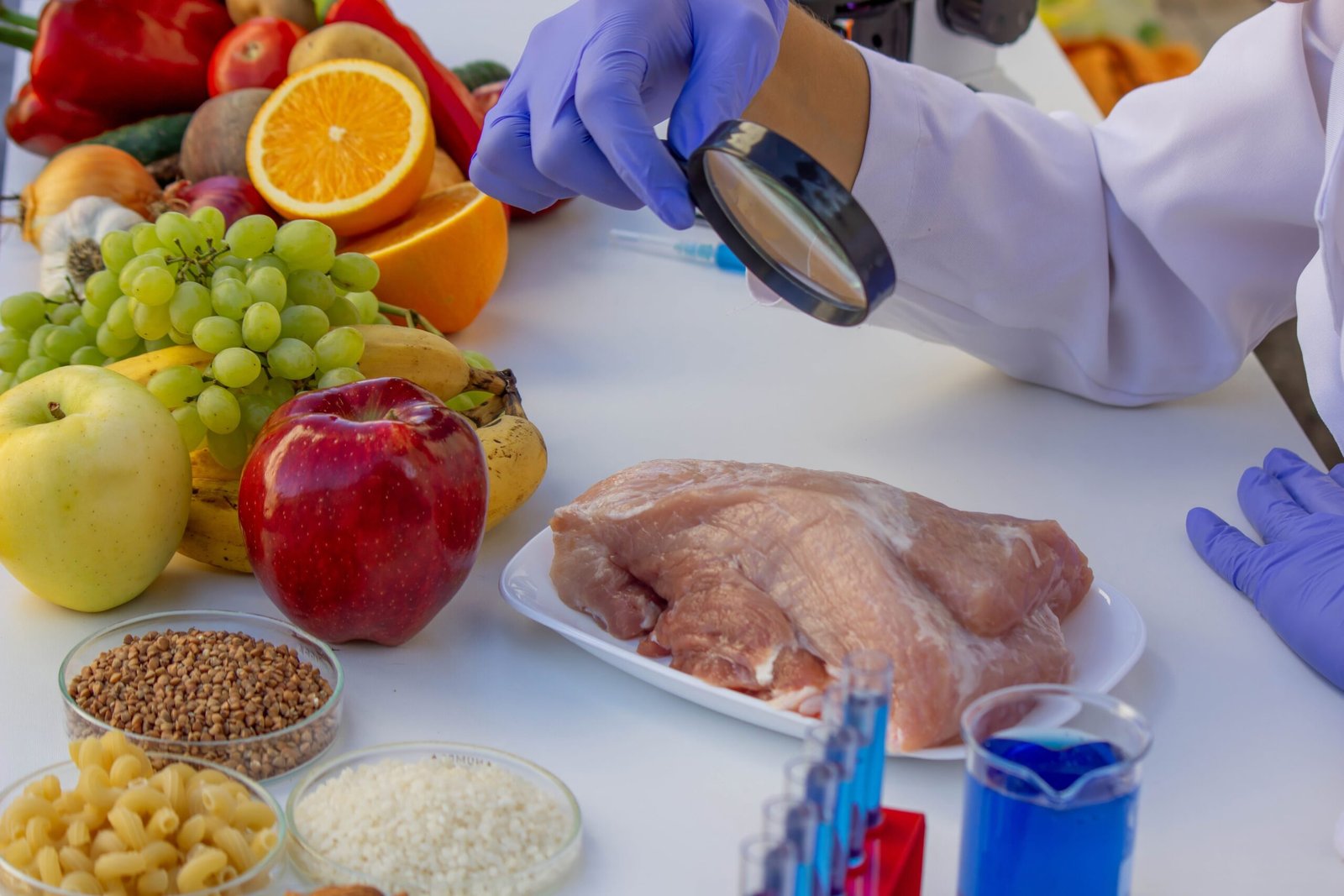
Advanced Professional Certificate in Food Defense, Vulnerability Assessment & Food Fraud Prevention (VACCP/TACCP Awareness)
The Advanced Professional Certificate in Hospitality Digital Transformation & E-Commerce equips...
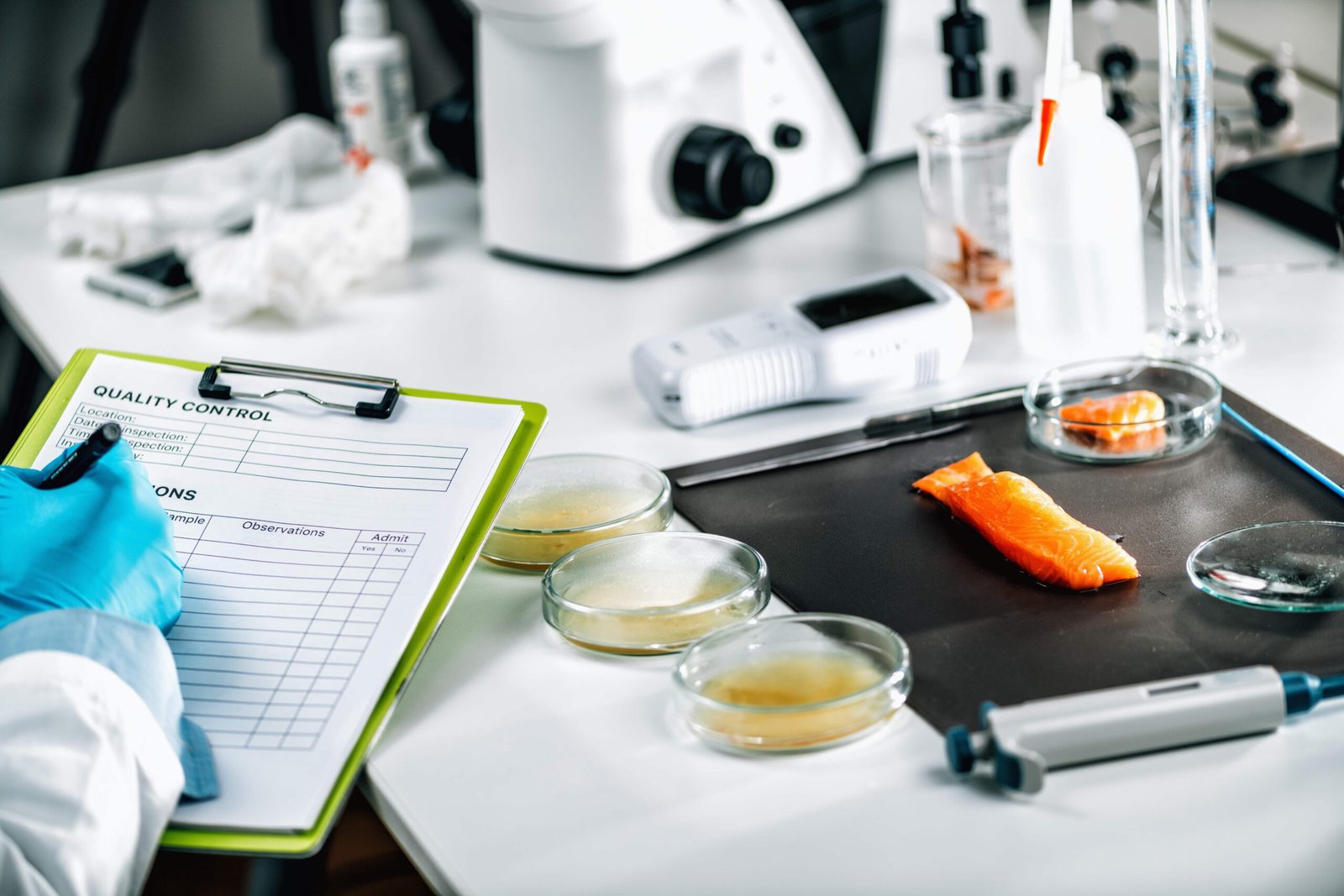
Advanced Professional Certificate in Quality Assurance, Documentation & Regulatory Compliance in the Food Industry
The Advanced Professional Certificate in Quality Assurance, Documentation & Regulatory Compliance in the Food Industry....
Together We Learn, Together We Grow
At Whitestone, we believe in collaborative learning where students and faculty grow together through knowledge and experience. Our supportive community fosters teamwork, innovation, and shared success.
Contact & Follow us
Contact Us & Get More Information
Contact us for expert guidance, swift support, and strategic partnerships.
Whitestone International College of Innovation delivers quality-assured, standards-aligned programmes that integrate academic rigour, industry relevance, and digital fluency to develop principled leaders who deliver measurable impact.
Quick Links
Menu
Get Connected
Reach out to us for any queries or assistance. We’re here to support you at every step. Stay connected and let us make things easier for you.
Copyright © 2025 Whitestone International College of Innovation. All rights reserved.